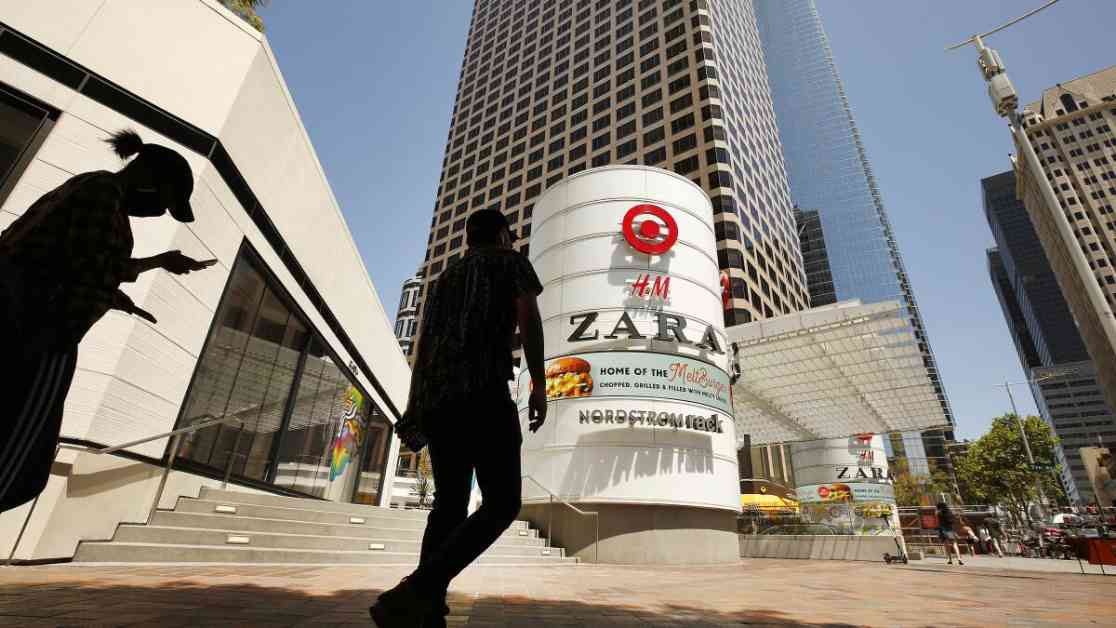
A grassroots movement advocating for a 24-hour “economic blackout” has been gaining momentum, with several celebrities throwing their support behind the cause. The call to action, organized by the People’s Union, urges individuals to refrain from shopping at major retailers for one day to protest against corporations, politicians, and banks. This movement, spearheaded by activist John Schwarz, aims to combat corruption within government and big businesses.
Celebrity Endorsements Fuel the Cause
The People’s Union, as described on their website, emphasizes the power of consumer choice in challenging the status quo. The message is clear: “No Amazon, No Walmart, No Best Buy.” By promoting purchases limited to essentials from local small businesses, the group seeks to demonstrate a united front against economic exploitation and corporate greed.
John Schwarz’s social media presence has significantly bolstered the movement, with one of his posts garnering nearly 200,000 likes on Instagram. In his call to action, Schwarz highlights the injustices perpetuated by mega-corporations and complicit politicians. The group’s first initiative, the one-day shopping boycott, is just the beginning of what promises to be a series of targeted campaigns against specific companies.
Support from Influential Voices
Celebrities like John Leguizamo, Bette Midler, and Stephen King have joined the chorus of support for the economic blackout. Leguizamo, in a passionate post on Facebook, framed the protest as a bold assertion of Latino empowerment and resistance against the current administration. Bette Midler, on Instagram, urged followers to refrain from shopping and to prioritize local small businesses.
Author Stephen King echoed these sentiments on the social media platform Threads, urging individuals to “resist” and abstain from making purchases on the designated day. The collective voice of these influential figures has amplified the message of the People’s Union, encouraging widespread participation in the protest.
The effectiveness of the economic blackout remains to be seen, as it is unclear how the group plans to measure the impact on retailers’ bottom lines. However, the symbolic gesture of solidarity and resistance is a powerful statement against the prevailing systems of exploitation and inequality. As John Schwarz aptly puts it, “Tomorrow, we make history.”
The momentum behind this movement underscores a growing discontent with the status quo and a collective desire for meaningful change. By uniting individuals in a common cause and leveraging the influence of public figures, the economic blackout represents a significant step towards challenging entrenched power structures and advocating for a more equitable society. It is a reminder that the power to effect change lies in the hands of the people, united in purpose and determined to make their voices heard.