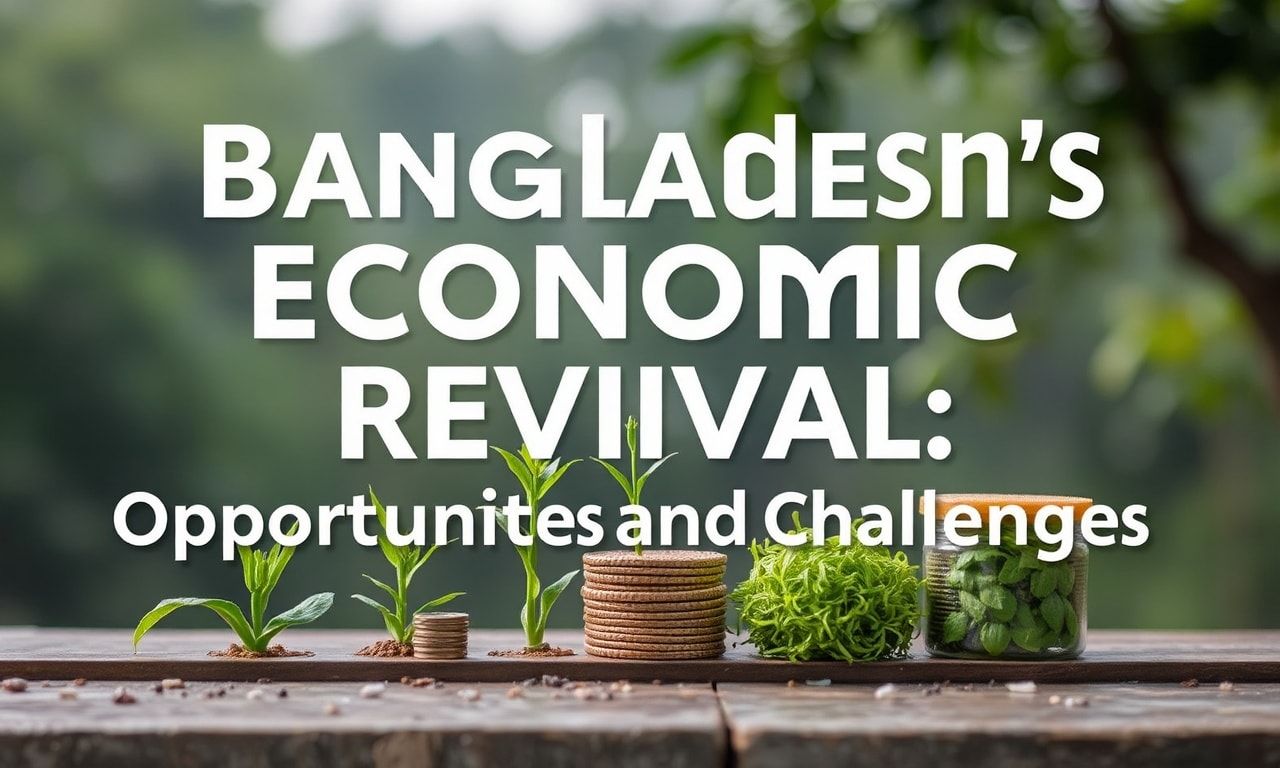
Bangladesh’s Economic Landscape in 2023
Bangladesh, a South Asian nation known for its vibrant culture and bustling economy, is navigating through a complex economic landscape in 2023. The country has made significant strides in recent years, but it also faces a myriad of challenges that could impact its economic trajectory. This article delves into the current economic scenario, highlighting both the opportunities and obstacles that lie ahead.
The Current Economic Scenario
The Bangladeshi economy has been on a growth trajectory, with a GDP growth rate of 7.2% in the fiscal year 2022-23. This growth is driven by robust industrial and service sector performance, particularly in the ready-made garment (RMG) sector, which contributes significantly to the country’s export earnings. However, the global economic slowdown and rising inflation have posed challenges to this growth momentum.
Inflation in Bangladesh reached a multi-year high in 2023, driven by rising food and fuel prices. The central bank has responded with a series of interest rate hikes to curb inflation, but this has also led to a tightening of liquidity in the market. The Bangladesh Taka (BDT) has depreciated against the US dollar, impacting the country’s import bill and adding to the inflationary pressures.
Opportunities in the Financial Sector
The financial sector in Bangladesh is undergoing a transformation, with a growing interest in mutual funds as an investment avenue. Mutual funds offer a diversified investment option, mitigating risks and providing attractive returns. For those looking to invest in the short term, understanding how to invest in Bangladesh mutual funds for short term can be a game-changer. The regulatory framework is also evolving to foster a more investor-friendly environment, with initiatives aimed at enhancing transparency and investor protection.
Moreover, the government’s push for financial inclusion has led to a surge in mobile financial services (MFS) and digital banking. This has opened up new avenues for investment and financial management, making it easier for individuals to participate in the financial markets. The rise of fintech startups is also contributing to the diversification of the financial sector, offering innovative solutions for investment and wealth management.
Challenges on the Horizon
Despite the opportunities, Bangladesh faces several challenges that could impact its economic stability. The global economic slowdown, particularly in key export markets like the US and Europe, could affect the country’s export earnings. The RMG sector, which is a significant contributor to the economy, is particularly vulnerable to global economic fluctuations.
Domestically, the banking sector is grappling with high levels of non-performing loans (NPLs), which pose a risk to financial stability. The government has taken steps to address this issue, including the establishment of a bad bank to manage NPLs. However, the effectiveness of these measures remains to be seen.
The Role of Remittances
Remittances from Bangladeshis working abroad play a crucial role in the country’s economy, contributing significantly to foreign exchange reserves and household incomes. In 2023, remittances have been volatile, reflecting the economic uncertainties in the countries where Bangladeshi migrants work. A decline in remittances could impact the country’s foreign exchange reserves and put pressure on the BDT.
The government has introduced various initiatives to encourage remittances, including incentives for formal channels and measures to curb illegal money transfer channels. However, the effectiveness of these measures in the face of global economic uncertainties remains a challenge.
Looking Ahead: Policy Recommendations
To navigate the complexities of the current economic landscape, Bangladesh needs a multi-pronged approach that addresses both immediate challenges and long-term opportunities. Here are some policy recommendations:
- Diversify the Export Basket: While the RMG sector is a significant contributor to the economy, diversifying the export basket can help mitigate risks associated with global economic fluctuations. Sectors like pharmaceuticals, leather goods, and IT services have the potential to contribute significantly to export earnings.
- Strengthen the Banking Sector: Addressing the issue of NPLs is crucial for the stability of the banking sector. The government should continue to implement reforms aimed at improving the health of the banking sector, including stricter regulatory oversight and measures to enhance transparency.
- Promote Financial Inclusion: The government’s push for financial inclusion should be continued, with a focus on expanding access to financial services in rural areas. This can be achieved through the promotion of digital banking and MFS, which offer convenient and affordable financial solutions.
- Encourage FDI: Foreign Direct Investment (FDI) can play a crucial role in driving economic growth. The government should continue to create a conducive environment for FDI by implementing investor-friendly policies and improving the ease of doing business.
In conclusion, Bangladesh’s economic landscape in 2023 is marked by both opportunities and challenges. While the country has made significant strides in recent years, it must navigate the complexities of the global economic environment and address domestic challenges to ensure sustainable economic growth. By implementing the right policies and fostering a conducive environment for investment, Bangladesh can continue on its path to economic resilience and prosperity.
To stay informed about recent economic trends, consider reviewing Bangladesh’s currency exchange updates and their implications.
You may also find Reklamcılıkta Başarıya Giden Yol: Stratejik Yönelimler helpful as it covers related aspects of this subject.
For more insights on this topic, you might find Navigating the Complexities of Modern Journalism: particularly informative.