The New Wave of Global Migration
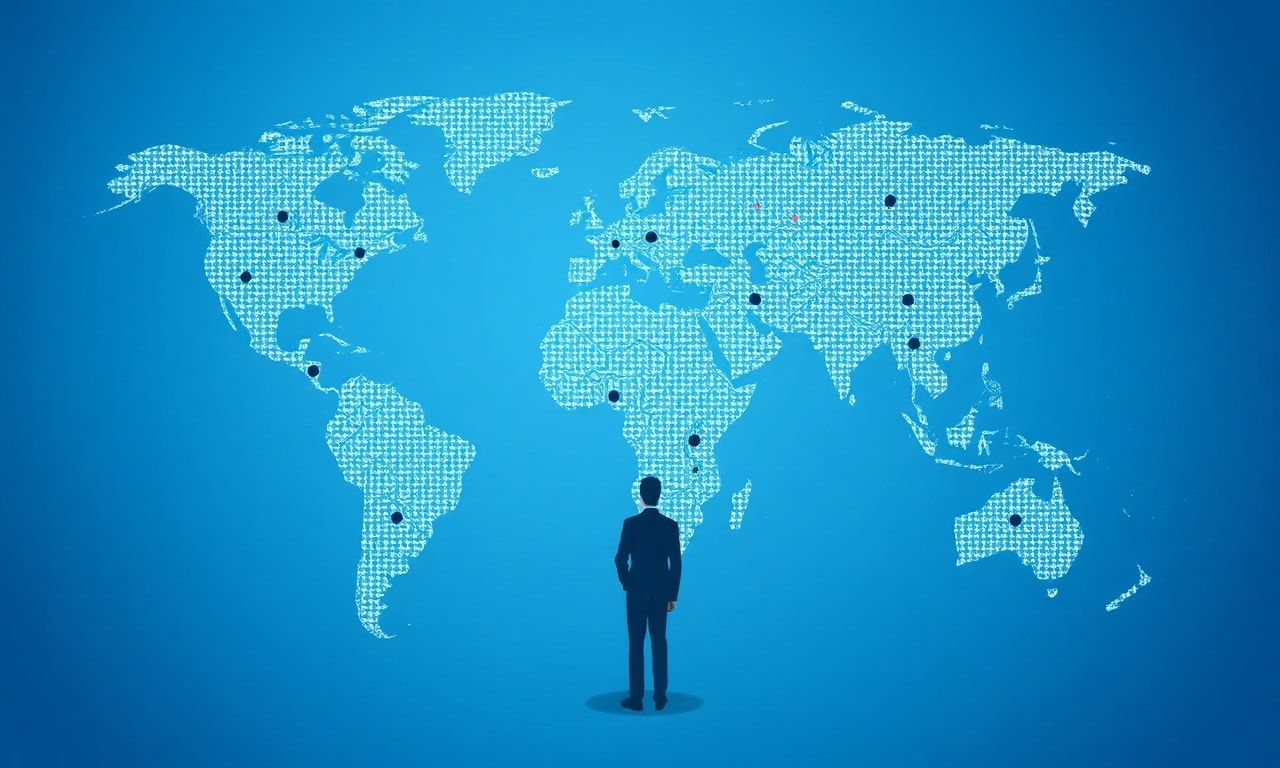
The world is witnessing an unprecedented surge in international migration, driven by a complex interplay of political, economic, and environmental factors. According to the United Nations, an estimated 281 million people were living outside their country of origin in 2020, a significant increase from previous years. This mass movement of people is reshaping societies, economies, and political landscapes across the globe.
Driving Forces Behind the Surge
The reasons behind this migration wave are multifaceted. Conflict and persecution remain significant drivers, with millions fleeing war-torn regions such as Syria, Afghanistan, and Yemen. Economic disparities also play a crucial role, as individuals seek better opportunities and living standards in more prosperous countries. Additionally, climate change is increasingly contributing to migration patterns, as natural disasters and environmental degradation force people to leave their homes in search of safer havens.
For instance, the ongoing conflict in Syria has displaced millions, with many seeking refuge in neighboring countries and beyond. Similarly, economic migrants from Latin America are moving northwards, driven by the promise of better job prospects and living conditions. Meanwhile, rising sea levels and extreme weather events are pushing communities in vulnerable regions to relocate, adding a new dimension to global migration trends.
The Role of Technology and Information
Advancements in technology and the widespread availability of information have also facilitated this migration wave. Social media platforms and online forums provide migrants with valuable insights into potential destinations, job opportunities, and support networks. This access to information empowers individuals to make informed decisions about their migration journeys, often leading them to countries with more favorable conditions.
Moreover, the ease of communication and the ability to stay connected with loved ones back home have made migration a more viable option for many. Apps and websites that offer language translation, job listings, and legal advice have further streamlined the migration process, making it more accessible to a broader range of people.
Impact on Host Countries
The influx of migrants has significant implications for host countries. On one hand, migrants contribute to the economy by filling labor shortages, paying taxes, and stimulating economic growth. On the other hand, the sudden increase in population can strain public services, housing, and social infrastructure, leading to tensions and challenges in integration.
Countries like Germany and Sweden, which have historically been open to migration, have experienced both the benefits and challenges of this trend. While migrants have filled critical gaps in the labor market, particularly in sectors such as healthcare and construction, the rapid influx has also placed considerable pressure on social services and housing. This has sparked debates about immigration policies and the need for more sustainable integration strategies.
In contrast, some countries have adopted more restrictive immigration policies, aiming to control the flow of migrants and address public concerns about security and economic stability. These policies, however, often face criticism from human rights organizations and advocacy groups, which highlight the need for a more compassionate and balanced approach to migration.
Local Community Initiatives
Amidst these global trends, local communities are also playing a crucial role in supporting migrants and fostering integration. Initiatives such as language classes, cultural exchange programs, and community support networks have emerged to help migrants adapt to their new environments. For example, in Bağcılar, a district in Istanbul, local organizations are actively involved in providing resources and support to migrants. Those interested in staying updated on such community efforts can find more information through Bağcılar’da güncel spor haberleri and similar local news sources.
These grassroots efforts are essential in bridging cultural divides and promoting social cohesion. By creating opportunities for interaction and mutual understanding, local communities can help migrants feel more welcome and integrated into their new homes. This, in turn, can lead to more harmonious and inclusive societies.
The Future of Global Migration
As the world continues to grapple with the complexities of global migration, it is clear that a multifaceted approach is needed to address the challenges and opportunities it presents. International cooperation, sustainable integration policies, and community initiatives are all crucial in managing this ongoing trend effectively.
Governments, international organizations, and local communities must work together to create policies and programs that support migrants while also addressing the concerns of host populations. This requires a balanced approach that prioritizes both the needs of migrants and the stability of host countries. By fostering a more inclusive and compassionate global community, we can navigate the challenges of migration and build a more equitable and prosperous world for all.
The future of global migration will undoubtedly be shaped by ongoing geopolitical, economic, and environmental factors. However, with the right policies and community efforts, we can turn this challenge into an opportunity for growth and mutual benefit. As we move forward, it is essential to remain informed, empathetic, and proactive in addressing the evolving dynamics of international migration.
In the ever-evolving landscape of health and wellness, a notable shift is occurring as consumers turn to natural alternatives. Discover the driving forces behind 2023’s natural health product surge in our latest report.
As technology continues to reshape our world, understanding its impact on daily life is crucial; explore this further with technology’s role in everyday life.
In the realm of current events and journalism, the evolving narrative of athlete influence extends beyond the field, as explored in sports and style trends today.