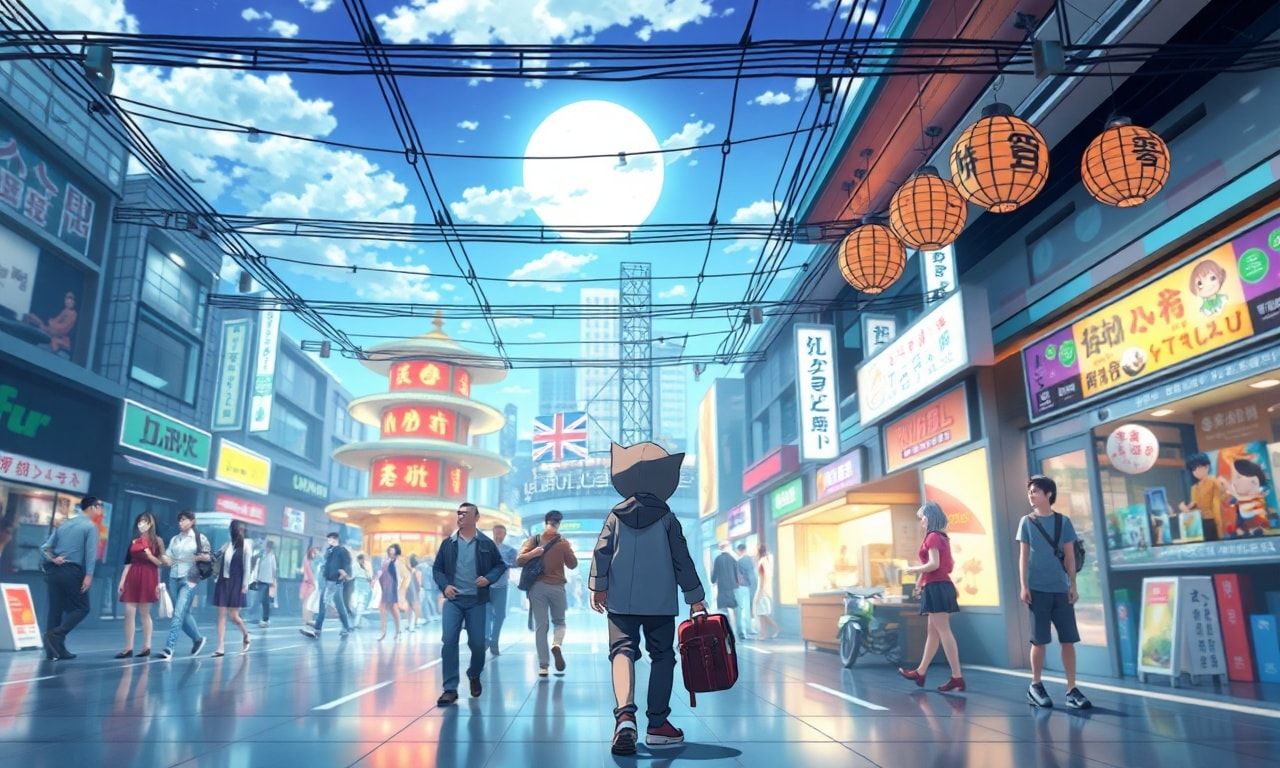
The Rise of Anime in Popular Culture
Anime, a style of animation originating from Japan, has transcended its borders to become a global phenomenon. What was once a niche interest has grown into a cultural and economic powerhouse, influencing various aspects of entertainment, fashion, and even technology. This article explores the rise of anime, its impact on global culture, and the economic implications of its widespread popularity.
The Origins and Evolution of Anime
The term ‘anime’ is a shortened form of ‘animation’ in Japanese. The history of anime can be traced back to the early 20th century, with the introduction of animation techniques to Japan. However, it was not until the post-World War II era that anime began to develop its unique style and storytelling techniques. Pioneers like Osamu Tezuka, often referred to as the ‘God of Manga,’ played a pivotal role in shaping the anime industry. His works, such as ‘Astro Boy,’ laid the foundation for the modern anime genre.
Over the decades, anime has evolved significantly, branching into various genres and styles. From action-packed series like ‘Naruto’ and ‘One Piece’ to thought-provoking dramas like ‘Death Note’ and ‘Attack on Titan,’ anime caters to a wide range of audiences. The diversity in genres and themes has contributed to its broad appeal, attracting fans from all walks of life.
The Global Reach of Anime
Anime’s global reach has been facilitated by the internet and streaming platforms. Websites like Crunchyroll and Funimation have made anime accessible to international audiences, breaking down geographical barriers. The availability of subtitles and dubbed versions in various languages has further enhanced its reach. Today, anime is not just a Japanese cultural export but a global phenomenon with a dedicated fan base worldwide.
One of the most significant indicators of anime’s global popularity is the success of anime conventions. Events like Anime Expo in the United States and Comiket in Japan draw thousands of attendees each year. These conventions serve as a hub for fans to celebrate their love for anime, participate in anime themed anime themed anime giveaways, and engage with the latest trends in the industry.
The Economic Impact of Anime
The economic impact of anime is substantial, contributing billions of dollars to the global economy. The anime industry encompasses various sectors, including television broadcasting, home video sales, merchandise, and licensing. The success of anime franchises has led to the production of movies, video games, and even theme park attractions, further diversifying revenue streams.
Merchandising is a significant revenue generator for the anime industry. From action figures and clothing to posters and collectibles, anime merchandise appeals to a wide range of consumers. The popularity of anime characters like Pikachu from ‘Pokémon’ and Goku from ‘Dragon Ball’ has made them iconic figures in popular culture, driving the demand for related merchandise.
The Cultural Influence of Anime
Anime’s cultural influence extends beyond entertainment. It has inspired fashion trends, art styles, and even language. The unique aesthetic of anime has influenced Western animation and comic books, leading to a fusion of styles. Additionally, anime has introduced new vocabulary and phrases into everyday language, reflecting its deep integration into popular culture.
The impact of anime on fashion is particularly noteworthy. Cosplay, a portmanteau of ‘costume play,’ has become a global phenomenon, with fans dressing up as their favorite anime characters. Cosplay events and competitions are held worldwide, showcasing the creativity and dedication of anime fans. The fashion industry has also embraced anime-inspired designs, with brands collaborating with anime studios to create exclusive collections.
The Future of Anime
The future of anime looks promising, with advancements in technology and the increasing demand for diverse content. Virtual reality (VR) and augmented reality (AR) technologies are being explored to enhance the anime viewing experience. Additionally, the rise of streaming platforms has made anime more accessible than ever, attracting new audiences and expanding the market.
As the anime industry continues to grow, it faces challenges such as piracy and the need for sustainable business models. However, the passion and dedication of anime fans, coupled with the industry’s innovative spirit, ensure that anime will remain a significant cultural and economic force in the years to come.
As gaming and pop culture continue to intersect, a new report examines the growing influence of anime in the industry.
As daily life continues to evolve, understanding how to find joy at home has become increasingly relevant; our latest feature, secrets to everyday happiness, offers practical advice for navigating these changes.
As the travel industry evolves, many are turning to wellness-focused vacations for rejuvenation and health benefits, a trend that is reshaping global tourism.