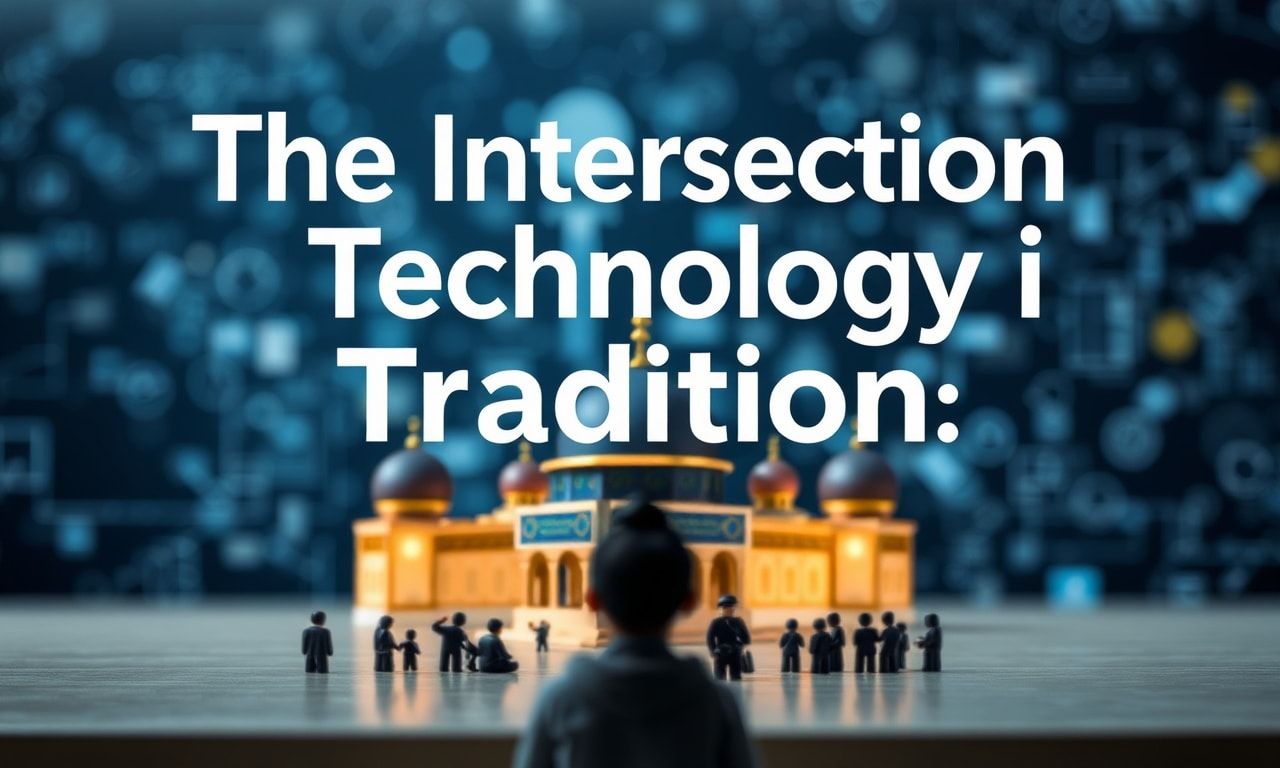
The Digital Transformation of Religious Practices
The digital age has brought about a significant transformation in various aspects of life, including religious practices. With the advent of technology, traditional rituals and spiritual activities are being integrated with digital tools, making them more accessible and convenient for the modern adherent. This shift is not only changing how people practice their faith but also how they connect with their religious communities.
The Role of Technology in Daily Worship
One of the most notable changes is the use of technology in daily worship. For instance, mobile applications now provide weekly adhan schedule reminders, ensuring that Muslims can perform their prayers on time. These apps often include additional features such as Qibla direction finders, prayer times for different locations, and even digital copies of the Quran. Similarly, Christians can use apps for daily devotions, Bible study plans, and church service reminders. This integration of technology helps individuals maintain their spiritual routines amidst busy schedules.
Virtual Communities and Online Worship
The rise of virtual communities has also revolutionized religious practices. Online platforms now host virtual worship services, prayer sessions, and religious discussions, allowing people from different parts of the world to participate. This has been particularly beneficial during the COVID-19 pandemic, where physical gatherings were restricted. Virtual communities have provided a sense of belonging and continuity in religious practices, bridging the gap between physical distancing and spiritual connection.
Educational Resources and Religious Learning
Technology has also enhanced religious education. Online courses, webinars, and digital libraries offer extensive resources for learning about various religious texts and teachings. These platforms provide access to scholars, religious leaders, and educational materials that might not be readily available in physical settings. For example, students of Islam can access online lectures on Islamic studies, while those interested in Buddhism can explore digital repositories of Buddhist scriptures and teachings.
The Impact on Religious Institutions
Religious institutions are also embracing technology to reach a wider audience. Churches, mosques, temples, and synagogues are now using social media, websites, and mobile apps to share sermons, announcements, and educational content. This digital presence helps institutions stay connected with their congregations and attract new members. Additionally, technology has enabled religious institutions to streamline administrative tasks, such as managing donations, scheduling events, and communicating with members.
Challenges and Considerations
While the integration of technology in religious practices offers numerous benefits, it also presents challenges. One concern is the potential for distraction and the loss of the tangible experience of physical worship. Another issue is the digital divide, where not everyone has access to the necessary technology or internet connectivity. Additionally, there are concerns about privacy and security, especially when personal data is shared on religious platforms.
Despite these challenges, the digital transformation of religious practices is an ongoing and evolving process. As technology continues to advance, it is likely that religious practices will further integrate with digital tools, creating new opportunities for spiritual growth and community building. The key is to balance the benefits of technology with the preservation of traditional values and practices, ensuring that the essence of faith is not lost in the digital age.