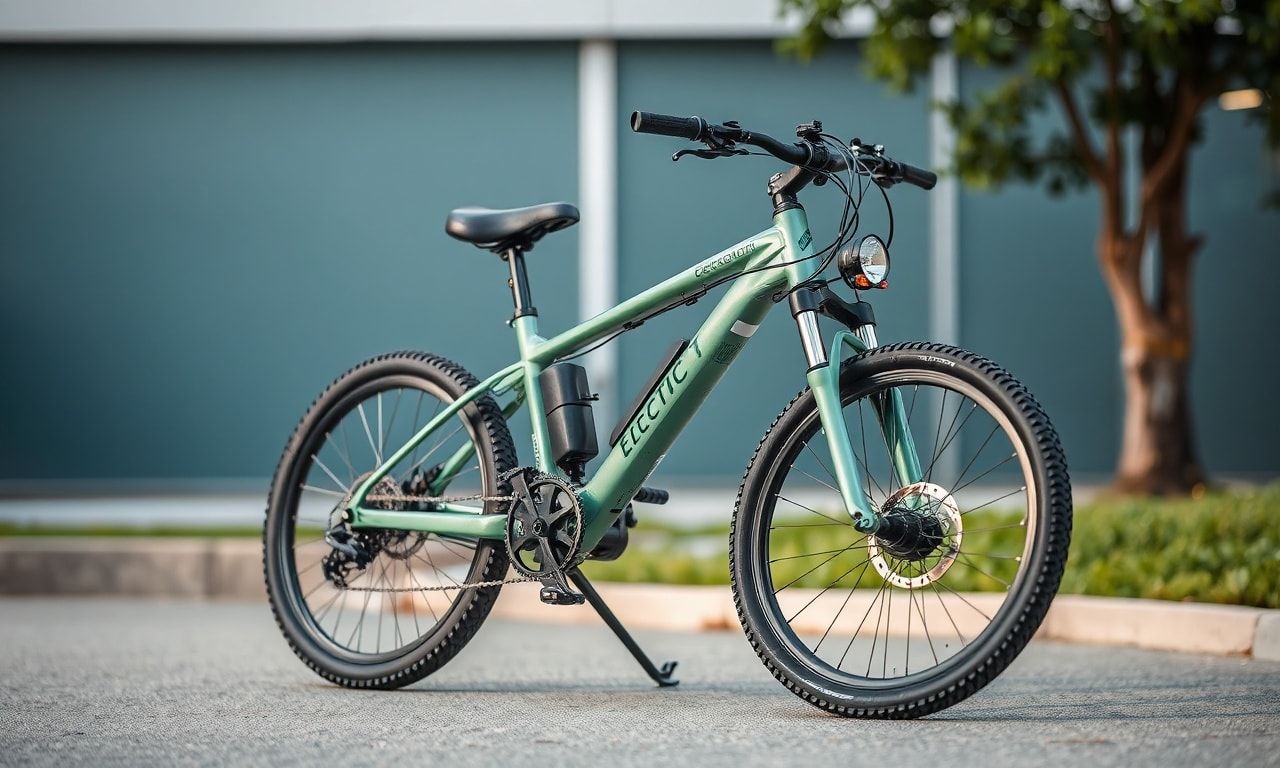
The Green Commute: Electric Bikes Gain Traction
The world is witnessing a significant shift in urban transportation preferences, with electric bikes (e-bikes) emerging as a popular choice for commuters. This trend is driven by a growing awareness of environmental issues, the need for sustainable transportation, and advancements in battery technology. Cities around the globe are increasingly becoming e-bike-friendly, with dedicated lanes and infrastructure to support this green revolution.
E-bikes offer a compelling alternative to traditional bicycles and cars. They provide pedal-assist or throttle-controlled electric motors, making cycling less strenuous and more accessible to a broader demographic. This inclusivity has led to a surge in popularity, particularly among older adults and those who may find traditional cycling challenging.
The Environmental Impact
The environmental benefits of e-bikes are substantial. By reducing the reliance on fossil fuel-powered vehicles, e-bikes contribute to lower carbon emissions and improved air quality. According to a study by the European Cyclists’ Federation, replacing short car trips with e-bikes could reduce CO2 emissions by up to 12 million tons annually in the European Union alone. This shift not only benefits the environment but also promotes public health by encouraging physical activity.
Economic and Health Benefits
Beyond environmental advantages, e-bikes offer economic and health benefits. Commuters save on fuel costs, parking fees, and vehicle maintenance. Additionally, the health benefits of cycling, even with electric assistance, are well-documented. Regular cycling can improve cardiovascular health, boost mental well-being, and aid in weight management. The convenience and cost-effectiveness of e-bikes make them an attractive option for daily commutes and leisure rides.
Challenges and Considerations
Despite their numerous benefits, e-bikes face challenges such as regulatory hurdles, safety concerns, and the need for adequate infrastructure. Many cities are still grappling with how to integrate e-bikes into existing transportation systems. Safety is another critical aspect, as the increased speed of e-bikes compared to traditional bicycles raises concerns about accidents and the need for proper safety gear and training.
For those considering purchasing an e-bike, it’s essential to understand the associated costs and protections. A comprehensive guide to electric bike insurance and warranties can provide valuable insights into safeguarding your investment and ensuring peace of mind. Understanding the different types of insurance coverage and warranty options available can help e-bike owners make informed decisions.
The Future of E-Bikes
The future of e-bikes looks promising, with continuous advancements in battery technology, motor efficiency, and smart features. Innovations such as solar-powered e-bikes and integrated GPS systems are on the horizon, making e-bikes even more convenient and appealing. As cities continue to invest in cycling infrastructure and promote sustainable transportation, the adoption of e-bikes is expected to grow exponentially.
In conclusion, the rise of electric bikes represents a significant step towards sustainable urban mobility. With their environmental, economic, and health benefits, e-bikes are poised to play a crucial role in shaping the future of transportation. As technology advances and infrastructure improves, the green revolution on two wheels is set to accelerate, making our cities cleaner, healthier, and more livable.
As e-bike technology continues to evolve, our latest feature top long-distance e-bikes for 2026 examines the best options for future long-distance travel and the digital marketing strategies behind them.
As winter sets in, commuters in Düsseldorf can explore sustainable and safe travel options with our latest guide on winter commuting tips.
As technology continues to reshape the world of sports, our latest feature, how innovation is transforming athletics, delves into the cutting-edge advancements driving the industry forward.