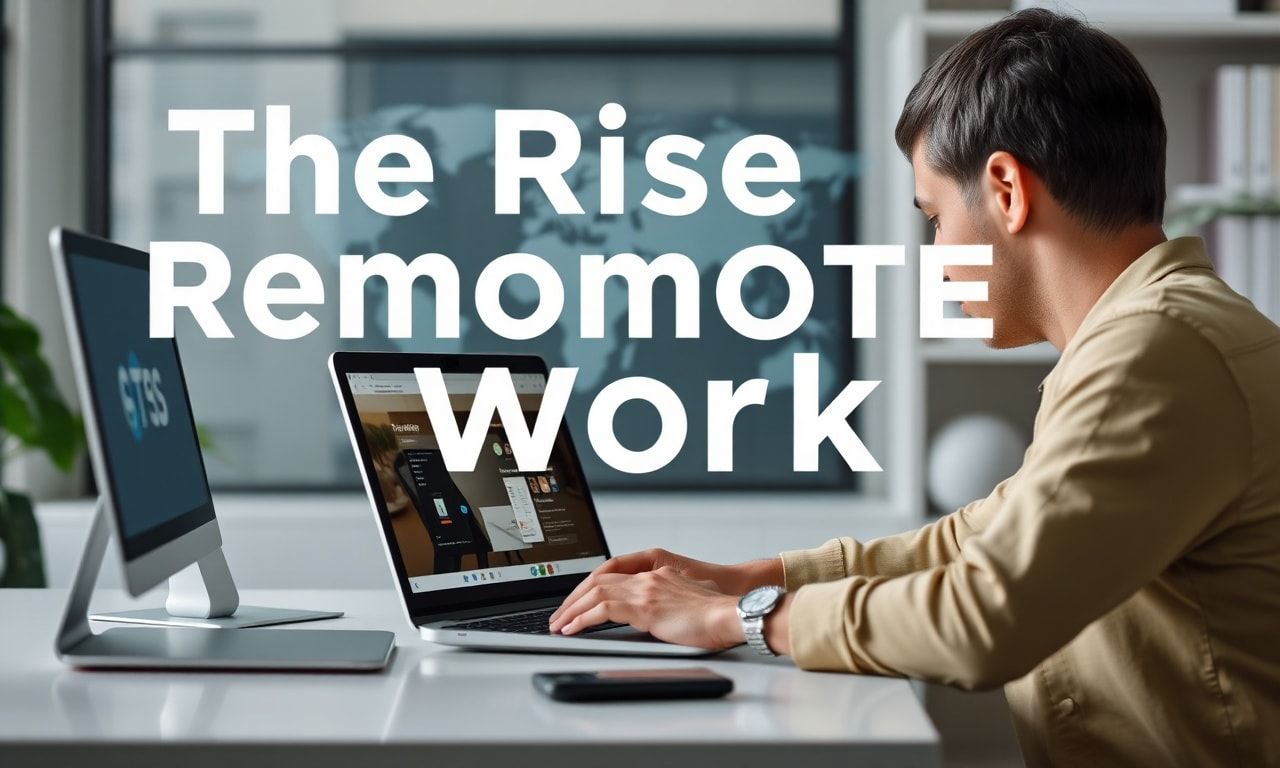
The New Normal: Remote Work Takes Center Stage
The global workforce has undergone a seismic shift in recent years, with remote work emerging as a dominant trend. The COVID-19 pandemic accelerated this transition, but the movement towards flexible work arrangements was already gaining momentum. According to a study by FlexJobs, remote work has grown by 159% since 2005, and the trend shows no signs of slowing down. This article explores the implications of this shift, the benefits and challenges it presents, and how industries are adapting to this new reality.
The Benefits of Remote Work
Remote work offers numerous advantages for both employees and employers. For workers, the ability to work from home or any location with a reliable internet connection provides greater flexibility and a better work-life balance. Employees save on commuting costs and time, which can be reinvested into personal development or leisure activities. For employers, remote work can lead to increased productivity, reduced overhead costs, and access to a global talent pool.
Moreover, remote work can contribute to environmental sustainability. Fewer commuters mean lower carbon emissions, which is a significant benefit in the fight against climate change. A study by Global Workplace Analytics found that if employees with compatible jobs worked remotely half the time, it would reduce greenhouse gas emissions by 54 million tons annually.
Economic and Social Impacts
The economic implications of remote work are profound. It has democratized job opportunities, allowing individuals in rural or underserved areas to access jobs that were previously only available in urban centers. This has the potential to reduce economic disparities and promote more equitable growth. However, it also poses challenges, such as the need for reliable internet infrastructure and digital literacy in these areas.
Socially, remote work can lead to feelings of isolation and disconnection. Employers are increasingly investing in virtual team-building activities and digital collaboration tools to mitigate these effects. Platforms like Slack, Zoom, and Microsoft Teams have become essential in maintaining communication and fostering a sense of community among remote teams.
The Challenges of Remote Work
Despite its benefits, remote work is not without its challenges. One of the primary concerns is maintaining productivity and accountability. Employers must implement robust monitoring systems and performance metrics to ensure that remote employees are meeting their goals. Additionally, the blurred lines between work and personal life can lead to burnout if not managed properly.
Another significant challenge is the digital divide. Not all employees have access to the necessary technology or a suitable workspace at home. This can exacerbate existing inequalities and limit the benefits of remote work for certain populations. Governments and organizations must address these issues to ensure that the transition to remote work is inclusive and equitable.
Industry-Specific Considerations
The impact of remote work varies across industries. Sectors like technology, marketing, and consulting have embraced remote work with relative ease, as their work is largely digital and collaborative. However, industries that rely on physical presence, such as healthcare, manufacturing, and hospitality, face more significant hurdles in adopting remote work models.
For example, healthcare professionals may need to balance remote administrative tasks with in-person patient care. In contrast, creative professionals, such as artists and designers, may find that remote work allows them to focus more on their craft. For those in creative fields, having a dedicated workspace and access to quality art supplies review comparison tools can be crucial for maintaining productivity and creativity.
The Future of Remote Work
The future of remote work is likely to be hybrid, with a mix of in-office and remote work arrangements. Many companies are adopting flexible policies that allow employees to choose their work location based on their roles and preferences. This hybrid model can offer the best of both worlds, providing the flexibility of remote work while maintaining the benefits of in-person collaboration.
As technology continues to evolve, tools like virtual reality and augmented reality may further enhance the remote work experience. These technologies can create immersive virtual workspaces, making remote collaboration more engaging and effective. Additionally, advancements in artificial intelligence and automation can streamline workflows and reduce the administrative burden on remote workers.
Conclusion
The rise of remote work represents a fundamental shift in the way we think about employment and productivity. While it presents numerous benefits, it also poses challenges that must be addressed to ensure a smooth transition. As industries continue to adapt, the future of work is likely to be more flexible, inclusive, and technologically advanced. By embracing these changes, we can create a more dynamic and resilient global workforce.
As global awareness of mental health grows, tips for maintaining mental well-being have become increasingly relevant, especially in the context of daily routines.
In the rapidly evolving world of technology, our latest piece, innovations shaping future AI, delves into the cutting-edge advancements driving the next generation of artificial intelligence.
As e-commerce continues to reshape the retail landscape, entrepreneurs may find valuable insights in tips for online business success.