The Green Revolution in Urban Areas
The world is witnessing a significant shift towards urban gardening, as city dwellers increasingly turn to green spaces for relaxation, food production, and environmental benefits. This movement is not just a trend but a response to the growing need for sustainable living in urban environments. Cities around the globe are transforming rooftops, balconies, and even small apartments into lush gardens, contributing to a healthier and more sustainable lifestyle.
Urban gardening encompasses a variety of practices, including container gardening, vertical gardening, and community gardens. These methods allow city residents to grow their own food, improve air quality, and create habitats for urban wildlife. The benefits of urban gardening are manifold, ranging from psychological well-being to environmental sustainability.
Psychological and Health Benefits
Engaging in urban gardening has been shown to reduce stress and anxiety, providing a therapeutic outlet for city dwellers. The act of nurturing plants and watching them grow can be incredibly rewarding, offering a sense of accomplishment and connection to nature. Additionally, the fresh produce from urban gardens can lead to healthier eating habits, as individuals consume more fruits and vegetables grown without harmful pesticides.
Studies have also highlighted the positive impact of urban gardening on mental health. The presence of greenery in urban settings has been linked to lower levels of depression and improved overall well-being. Community gardens, in particular, foster social interaction and a sense of community, further enhancing mental health benefits.
Environmental Impact
Urban gardening plays a crucial role in mitigating the environmental impact of city living. By growing plants in urban areas, residents can help reduce the urban heat island effect, which is the phenomenon where cities become significantly warmer than their surrounding rural areas due to human activities and the lack of vegetation. Green spaces absorb heat and release moisture, thereby cooling the environment.
Moreover, urban gardens contribute to biodiversity by providing habitats for various species of insects, birds, and small mammals. This is particularly important in densely populated cities where natural habitats are often scarce. The presence of diverse plant species also supports pollinators, which are essential for the reproduction of many plants and the production of food crops.
Challenges and Solutions
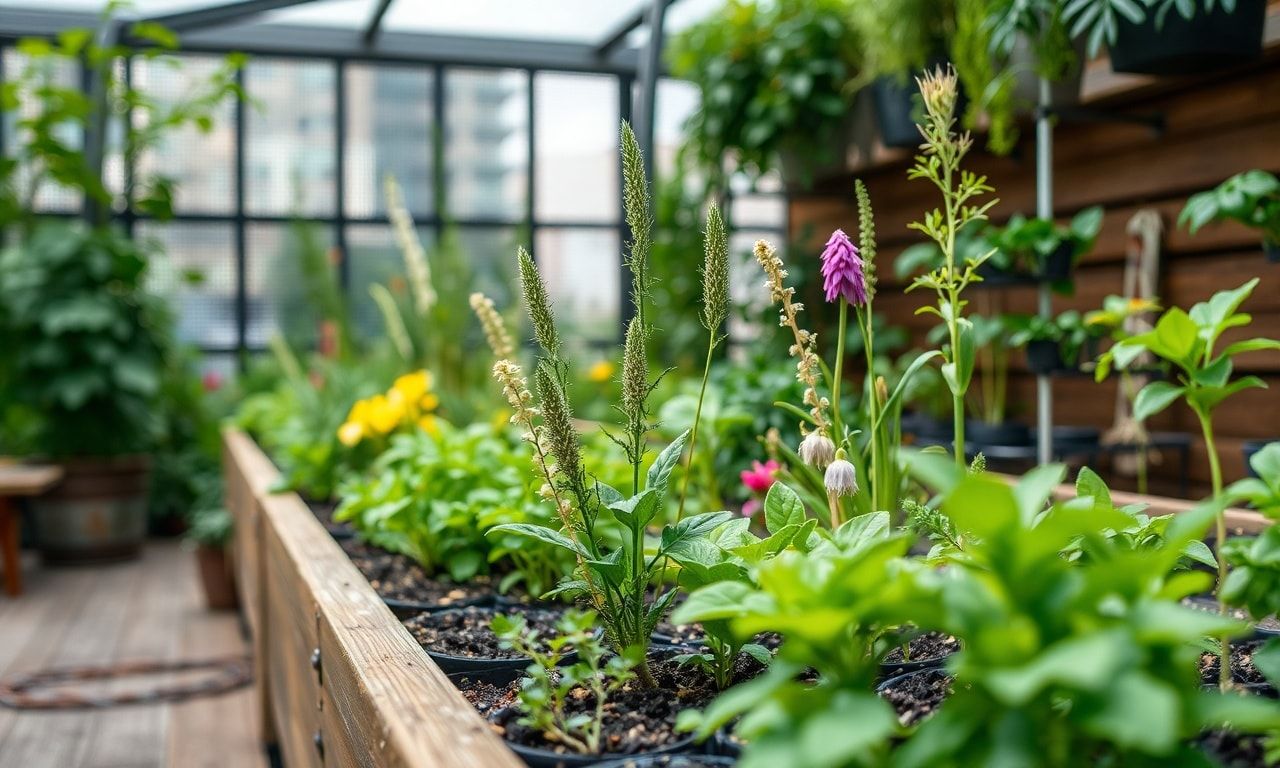
Despite the numerous benefits, urban gardening faces several challenges. Limited space, lack of access to sunlight, and soil contamination are common obstacles for city dwellers. However, innovative solutions such as vertical gardening, hydroponics, and the use of raised beds can help overcome these challenges. Vertical gardening, for instance, allows individuals to grow plants upwards using walls or trellises, maximizing the use of limited space.
For those interested in starting their own urban garden, resources like the fresh herb gardening for beginners guide can provide valuable insights and tips. These guides often cover essential topics such as selecting the right plants, understanding soil requirements, and managing pests naturally. By leveraging such resources, beginners can successfully embark on their urban gardening journey.
The Future of Urban Gardening
The future of urban gardening looks promising, with increasing support from local governments and non-profit organizations. Many cities are implementing policies to promote urban agriculture, such as providing grants for community gardens and offering tax incentives for green roofs. Additionally, technological advancements in hydroponics and aeroponics are making it easier for urban dwellers to grow food indoors without the need for traditional soil.
As awareness about the benefits of urban gardening continues to grow, more people are likely to adopt this practice. The movement towards sustainable living and the desire for a healthier lifestyle are driving forces behind this green revolution. By embracing urban gardening, cities can become more resilient, sustainable, and livable for future generations.