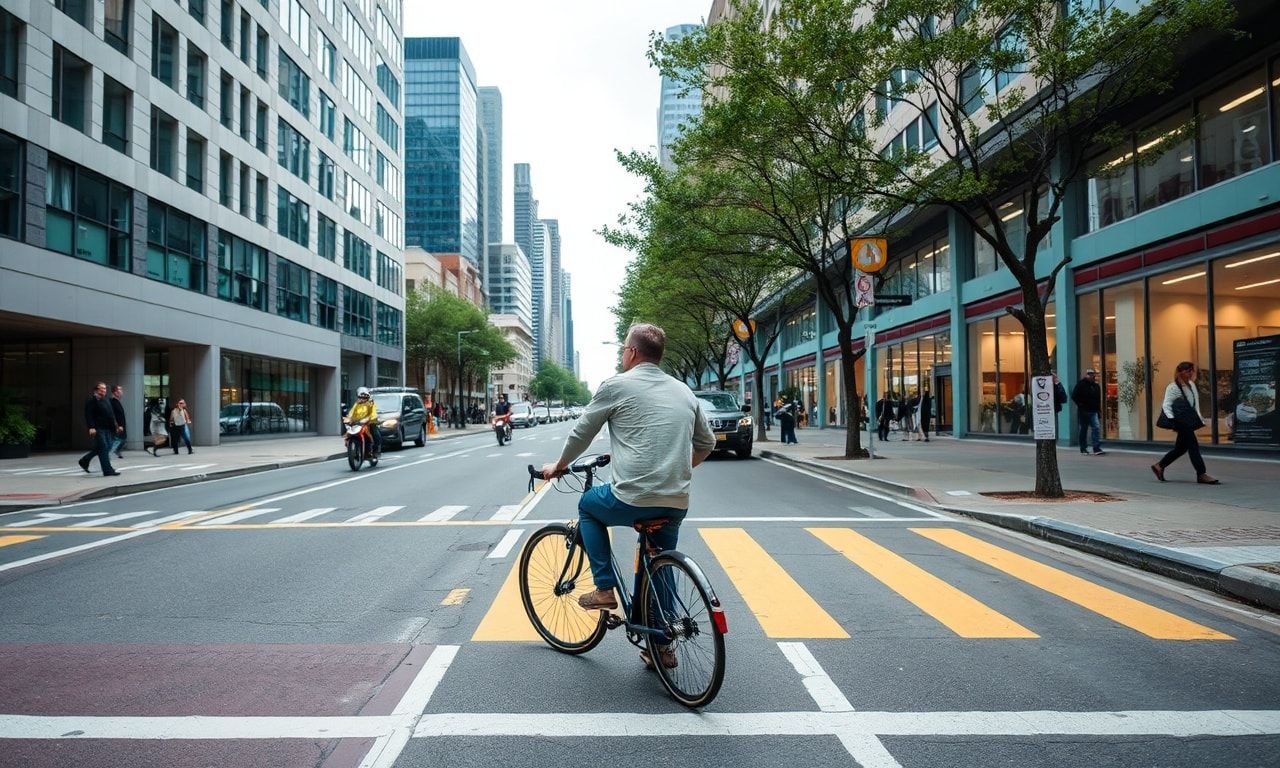
The Evolution of Urban Mobility
In recent years, urban mobility has undergone a significant transformation. Cities around the world are increasingly investing in infrastructure that promotes sustainable and efficient transportation. Among the most notable developments are the expansion of bike lanes and the implementation of shared spaces. These initiatives aim to reduce traffic congestion, lower carbon emissions, and promote healthier lifestyles.
The Benefits of Bike Lanes
Bike lanes have become a staple in modern urban planning. They provide a dedicated space for cyclists, enhancing safety and encouraging more people to opt for bicycles as a mode of transportation. According to recent studies, cities with well-designed bike lanes have seen a significant increase in cycling rates. This shift not only reduces the number of cars on the road but also contributes to a healthier population.
Moreover, bike lanes can have a positive economic impact. They attract cyclists who often stop at local businesses, boosting the local economy. Additionally, the construction and maintenance of bike lanes create jobs, further stimulating economic growth. For those interested in understanding the nuances of bike lane sharing and safety, resources like Honda bike lane sharing and safety advice offer valuable insights.
Shared Spaces: A New Approach to Urban Design
Shared spaces are another innovative approach to urban mobility. These areas are designed to be used by all road users, including pedestrians, cyclists, and drivers. The goal is to create a more inclusive and interactive environment where everyone must be more aware of their surroundings. Shared spaces often feature minimal signage and barriers, relying instead on the natural behavior of users to regulate traffic.
The success of shared spaces depends on the cooperation and awareness of all users. While some cities have reported positive outcomes, others have faced challenges. For instance, in some cases, the lack of clear demarcations has led to confusion and accidents. However, with proper education and design, shared spaces can become a valuable addition to urban landscapes.
Challenges and Considerations
Despite the numerous benefits, the implementation of bike lanes and shared spaces is not without challenges. One of the primary concerns is the initial cost and ongoing maintenance. Cities must allocate significant resources to ensure these infrastructures are safe and effective. Additionally, there is often resistance from certain groups who may feel that bike lanes and shared spaces infringe on their traditional rights or convenience.
Another challenge is ensuring the safety of all users. While bike lanes are designed to protect cyclists, accidents can still occur, especially in areas with high traffic. Similarly, shared spaces require a high level of awareness and cooperation from all users. To mitigate these risks, cities must invest in education and awareness campaigns, as well as continuous monitoring and improvement of these infrastructures.
The Future of Urban Mobility
The future of urban mobility looks promising, with a growing emphasis on sustainability and inclusivity. As cities continue to expand and populations grow, the need for efficient and eco-friendly transportation solutions becomes increasingly critical. Bike lanes and shared spaces are just the beginning. Emerging technologies, such as electric vehicles and autonomous transportation, will further revolutionize the way we move within cities.
In conclusion, the rise of bike lanes and shared spaces represents a significant step forward in urban mobility. These initiatives not only promote healthier lifestyles and reduce environmental impact but also foster a sense of community and cooperation among city dwellers. As we look to the future, it is essential to continue investing in and improving these infrastructures to create more livable and sustainable cities.
As global travel resumes, consider delving into the cultural and natural riches of an Indian state with West Bengal’s hidden gems.
In the realm of eco-friendly advancements, Taiwan’s green transportation breakthroughs are making waves, offering a glimpse into the future of sustainable mobility.
In the realm of defense and security, a new report highlights how military safety gear is evolving by adopting innovations from civilian industries.