The Evolution of Urban Planning
Urban planning has undergone a significant transformation over the past few decades. From the early days of city planning focused on aesthetics and functionality, the modern approach integrates sustainability, technology, and community engagement. Cities around the world are increasingly adopting innovative strategies to address the challenges of urbanization, population growth, and environmental concerns.
The Role of Technology in Modern Urban Planning
Technology plays a pivotal role in shaping the future of urban planning. Advanced tools such as Geographic Information Systems (GIS), Building Information Modeling (BIM), and smart city technologies are revolutionizing the way cities are designed and managed. These technologies enable planners to create more efficient, sustainable, and livable urban environments. For instance, smart sensors and data analytics can optimize traffic flow, reduce energy consumption, and enhance public safety.
Case Study: Frankfurt’s Urban Planning Initiatives
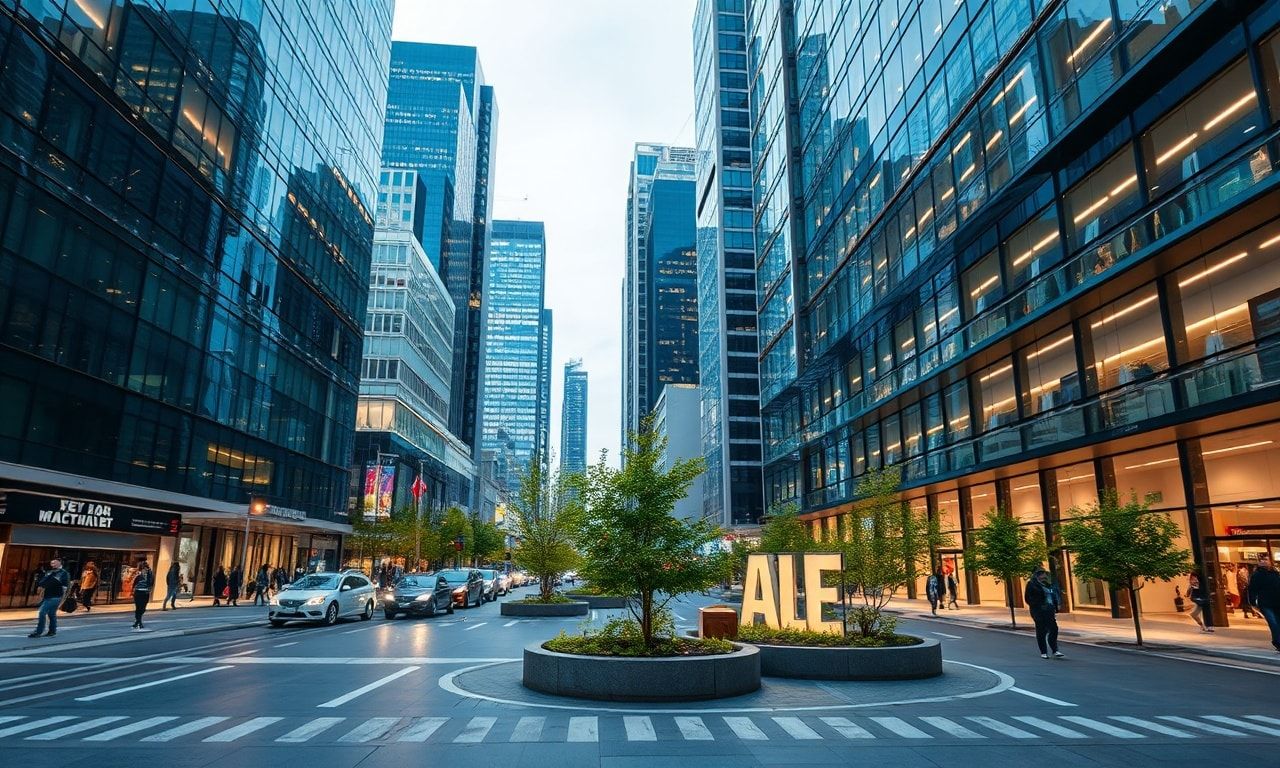
Frankfurt, Germany, is a prime example of a city that has embraced innovative urban planning practices. The city’s focus on sustainability and smart infrastructure has earned it a reputation as a leader in urban development. Frankfurt Internationale Stadtplanung has been instrumental in implementing projects that prioritize green spaces, public transportation, and energy-efficient buildings. These initiatives not only improve the quality of life for residents but also set a benchmark for other cities to follow.
Sustainability and Green Urban Planning
Sustainability is at the heart of modern urban planning. Cities are increasingly adopting green building standards, promoting renewable energy sources, and creating green spaces to combat urban heat islands. The integration of nature into urban environments not only enhances aesthetic appeal but also provides numerous environmental benefits. For example, green roofs and vertical gardens help reduce energy consumption, improve air quality, and support biodiversity.
Community Engagement and Participatory Planning
Community engagement is a critical component of successful urban planning. Involving residents in the planning process ensures that their needs and preferences are taken into account. Participatory planning fosters a sense of ownership and responsibility among community members, leading to more inclusive and equitable urban development. Cities that prioritize community engagement often see higher levels of satisfaction and better outcomes in their urban planning projects.
The Future of Urban Planning
The future of urban planning lies in the integration of technology, sustainability, and community engagement. As cities continue to grow and evolve, the need for innovative and adaptive planning strategies becomes increasingly important. By leveraging advanced technologies and fostering community involvement, cities can create more resilient, sustainable, and livable environments for future generations.
Conclusion
Urban planning is a dynamic and evolving field that plays a crucial role in shaping the future of our cities. From the adoption of smart technologies to the promotion of sustainability and community engagement, the innovations in urban planning are paving the way for more efficient, equitable, and livable urban environments. As we look to the future, it is clear that the integration of these elements will be key to addressing the challenges of urbanization and creating cities that are truly sustainable and inclusive.